Stretching Routines That Ease Tension and Boost Energy
Modern life often demands long hours sitting at desks, staring at screens, or managing daily stress—which can leave your body stiff and your mind fatigued.
Modern life often demands long hours sitting at desks, staring at screens, or managing daily stress—which can leave your body stiff and your mind fatigued. But there’s a simple, effective solution that doesn’t require a gym, special equipment, or even a change of clothes: stretching.
Stretching is more than just a post-workout ritual. It’s a powerful way to release tension, improve flexibility, enhance blood flow, and restore energy levels—especially when done consistently. Whether you need a morning pick-me-up, a mid-day reset, or a calming evening routine, these stretches can help you feel lighter, looser, and more energized.
Here’s how to incorporate targeted stretching routines into your day to ease muscle tension and boost vitality.
Benefits of Daily Stretching
- Relieves muscle stiffness and joint tightness
- Increases blood circulation and oxygen flow
- Improves posture and range of motion
- Reduces physical and mental stress
- Enhances energy levels and body awareness
Even just 5–10 minutes of stretching daily can create noticeable changes in how you feel, move, and function.
Morning Energizing Stretch Routine (5–10 Minutes)
Start your day with stretches that gently wake up the body, stimulate circulation, and clear morning grogginess.
1. Standing Forward Fold (30 seconds)
Stretches the hamstrings, calves, and back while promoting circulation.
How to do it: Stand tall, exhale, and slowly fold forward from the hips. Let your head and arms hang heavy.
2. Standing Side Stretch (30 seconds each side)
Elongates the spine and opens up the sides of the body.
How to do it: Raise both arms overhead, clasp hands, and lean to one side.
3. Cat-Cow Stretch (1 minute)
Gently mobilizes the spine and wakes up the core.
How to do it: On hands and knees, alternate between arching your back (cow) and rounding it (cat) as you breathe deeply.
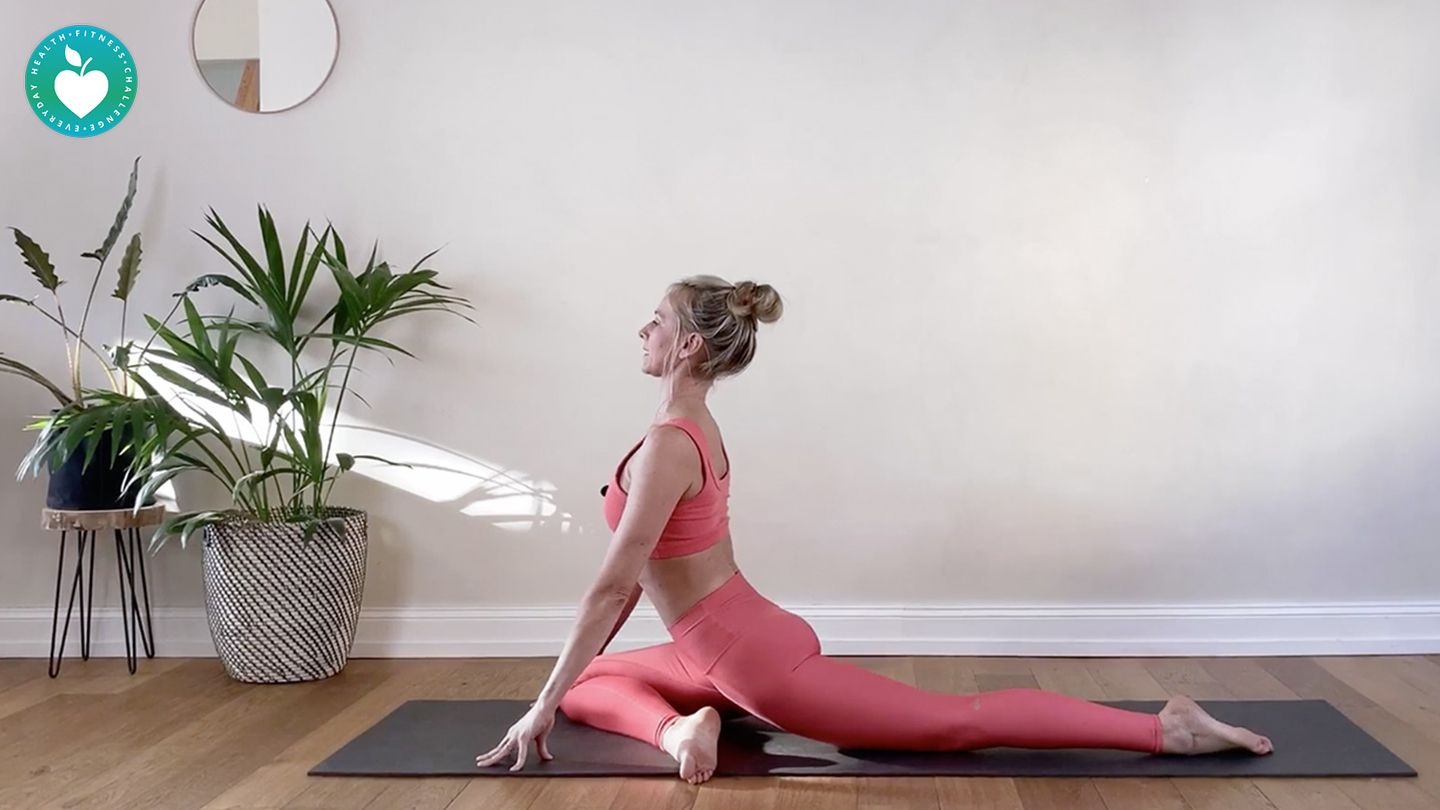
4. Low Lunge Stretch (30 seconds each leg)
Opens tight hips and stretches the thighs.
How to do it: Step one foot forward into a lunge, keeping the back knee on the floor and chest lifted.
5. Seated Spinal Twist (30 seconds each side)
Improves spinal flexibility and digestion.
How to do it: Sit with legs extended, bend one knee, and twist your torso toward the bent knee, placing your hand behind you for support.
Why this routine works: These movements target major tension areas and encourage deep breathing to promote alertness and energy.
Midday Tension-Relief Stretching (10 Minutes)
Perfect for desk workers or anyone who needs a quick reset during the day.
1. Neck Rolls (30 seconds each direction)
Relieves neck stiffness and shoulder tension.
2. Shoulder Shrugs and Rolls (1 minute)
Loosens up tight shoulders and promotes circulation.
3. Chest Opener Stretch (1 minute)
Counters the hunching posture caused by screens.
How to do it: Clasp hands behind your back, lift your arms, and open your chest.
4. Seated Forward Fold (1 minute)
Stretches the back and hamstrings while calming the nervous system.
5. Wrist and Finger Stretches (1 minute)
Relieves hand and wrist fatigue from typing or phone use.
6. Standing Calf Stretch (30 seconds each leg)
Releases tightness from standing or walking.
Why this routine works: It helps undo the physical effects of sedentary habits and restores energy with minimal effort.
Evening Relaxation Stretch Routine (10–15 Minutes)
Calm your mind and body before bed with slow, soothing stretches that prepare you for restful sleep.
1. Child’s Pose (1–2 minutes)
Relieves lower back tension and quiets the mind.
How to do it: Kneel on the floor, fold forward with arms extended, and rest your forehead on the mat.
2. Supine Twist (1 minute each side)
Gently massages the spine and aids digestion.
How to do it: Lie on your back, hug one knee in, and guide it across your body while keeping shoulders grounded.
3. Legs-Up-the-Wall Pose (3–5 minutes)
Reduces lower body fatigue and calms the nervous system.
How to do it: Lie on your back and extend your legs up against a wall, arms relaxed at your sides.
4. Reclined Butterfly Pose (1–2 minutes)
Opens the hips and calms breathing.
How to do it: Lie on your back, bring the soles of your feet together, and let your knees fall outward.
5. Deep Breathing (2 minutes)
Enhances relaxation and oxygen flow before sleep.
How to do it: Inhale slowly for 4 counts, hold for 4, exhale for 6 counts. Repeat.
Why this routine works: These gentle stretches help release built-up tension and mentally transition you into rest mode.
Stretching Tips for Best Results
- Breathe deeply: Inhale through the nose and exhale through the mouth during each stretch.
- Don’t rush: Move slowly and mindfully—stretching is not about speed.
- Stay consistent: Stretching every day—even for 5 minutes—is more beneficial than one long session per week.
- Listen to your body: Stretch to the point of mild discomfort, not pain.
- Hydrate: Drinking water helps keep your muscles flexible and supports recovery.
Final Thoughts
Stretching is one of the most accessible and transformative wellness tools you can practice—anytime, anywhere. Whether you’re starting your day, taking a midday break, or winding down at night, these simple routines can ease muscle tension, improve posture, and leave you feeling more energized and at peace.
With just a few minutes of mindful movement, you can dramatically improve both your physical flexibility and your mental clarity. So unroll your mat (or don’t) and make stretching a daily habit your body will thank you for.