How to Choose Retro Cameras, Oreo Lens & Retropia Lens
Here are some tips for picking the perfect camera and lens to make your work more creative.
Looking to get into retro photography? Here are some tips for picking the perfect camera and lens to make your work more creative.
If you want to take your photography more into the experimental realm, you might want to try retro-stylish cameras and lenses. If you're looking for a waist level viewfinder camera, or checking out the oreo lens or the retropia lens, knowing the impact these attributes have on your photography can help you make the right decision.
Retropia is dedicated to creating retro-inspired photography products and accessories based on creative image making. Become familiar with the type of images you'd like to produce, how you like to compose images and what sort of visual effect you'd like from the lens prior to buying it.
Waist Level Viewfinder Composition & Retro Camera Selection
Understand the Use of a Waist Level Viewfinder Camera
Learn how to use a camera with a Waist Level Viewfinder. Understand the use of a Waist Level Viewfinder Camera.
A camera for photographers that lets them frame a shot while aiming at the lower part of the camera, but not facing it directly.
This kind of composition may inspire a new method of shooting. You don't have to look at the screen or finder at eye level; you can look down at it to frame the shot more slowly.
Street photography, portraits, travel and when you want a less conspicuous shooting position are also situations where waist level shooting can be beneficial.
This particular type of camera should be evaluated for size on the viewfinder, ease of focusing, visibility in bright sunlight and comfort when held at waist height.
Aside from the specifications, the shooting experience is as important as it is when selecting a retro camera.
Selecting the Right Retro Camera
If you want to add a retro look to your photography, here are some tips on how to pick the right retro camera for the job.
Before making a choice about which camera you should use, consider how you would normally photograph.
For travel photographers, a small size might be preferable. If the photo is a portrait, perhaps you'll concentrate on lens compatibility and manual controls. Street photographers might want a compact and easy-to-carry camera.
If you like to take the time to create individual photos, and not so much on automatic settings, then a retro-inspired camera can be attractive as well.
If you are looking at Retropia, pay attention to the camera and lens options that you have in front of you and compare them based on your shooting style and preferences, rather than because they look vintage.
Specialty Optics: Oreo Lenses & Retropia Lenses
How to Understand an Oreo Lens
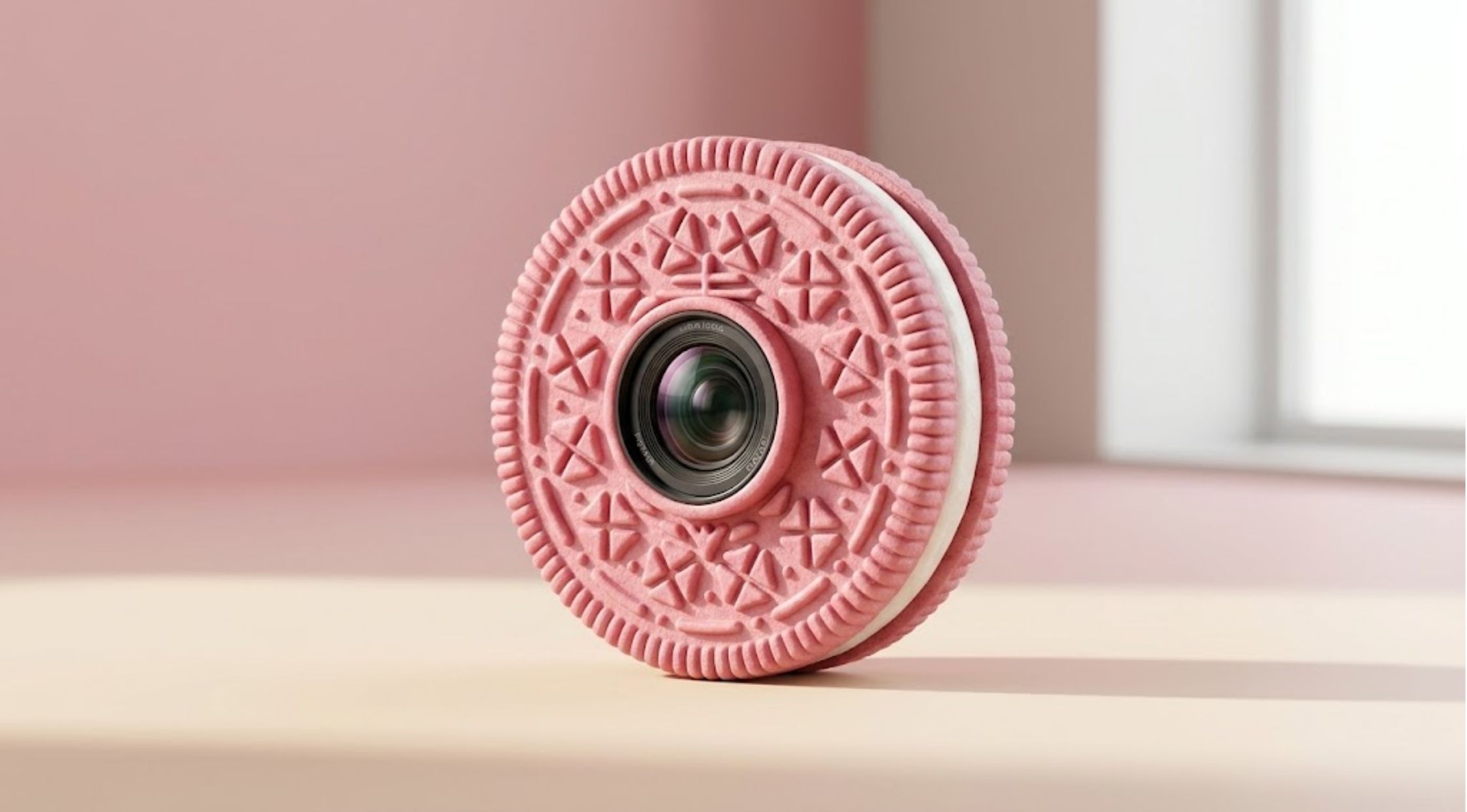
Depending on the product or photograph, an oreo lens can be one of two things: a lens that looks or feels like an Oreo cookie, or a lens that has a retro design.
Don't just look at the look of a specialty lens when researching. Check compatibility, intended camera system, aperture, method of focusing and focal length.
The focal length determines what part of the scene will be captured in the frame. Longer focal lengths create a narrower field of view and can be suitable for landscape and environmental photography, and wider lenses can be used for a wider view.
When creating a visual character from an Oreo lens, also be mindful of what kinds of visual effects it can provide. Special lenses can add a contrast, sharpness or flare that may differ from that rendered by other lenses and may be intentionally used by photographers.
Selecting the Right Retropia Lens
Retropia lens should be evaluated based on the type of photography that you will be taking.
First of all, see if it is compatible with the camera. In order for a lens to be used properly, it needs to be mounted in the proper mount or adapter.
Then, take into account the focal length and the aperture. All of these will affect composition, backgrounds separation, low-light shooting and shooting style.
For experimental photoshooters, a lens that produces a unique type of image is perhaps more appealing than a technically perfect one, which has a nil tonal quality at all.
Retropia provides a place to explore if you're looking for photography gear that's more about character and a retro experience.
Finding the Balance Between Practical and Creative Features
It should still be usable for your everyday photography, with a specialty camera or lens.
Take into account weight, size, controls, compatibility, focusing mechanism and ease of use. Even small weight variations can be noticed after a few hours if the equipment is carried for hours and hours.
Think about how frequently you will use the product. If you usually take artistic photographs a specialized lens might be worthwhile, but a more versatile isn't quite as suitable.
Retro Aesthetics, Travel Kit Optimization, & Gear Maintenance
How to Create a Retro Photo Style
To achieve a retro look, one doesn't have to have a whole collection of vintage cameras.
Begin by using one camera or lens that yields the style of pictures you like. Try different angles, focus and lighting.
Use of a waist level viewfinder camera can promote unusual shots, and a specialty lens can alter the nature of your photographs.
Experiment with taking photos of the same subject at various distances and angles. This will give you an understanding of how the equipment can impact the final image.
Equipment Selection for Travel Photography
Equipment that is easy to move around with is essential for travel photography.
When purchasing consider the size of the camera and lens, overall weight, storage needs and what accessories you may require in addition.
A small package might be simpler to take around a whole day of traveling. Outdoor photography enthusiasts should also take into account how easy it is to protect the equipment from dust, moisture and accidental impact.
Select only the equipment which will be used. Having a few specialty lenses can easily turn a travel kit into a complicated mess.
How to Keep Retro Photography Gear in Working Order
Proper care can help extend the life of cameras and lenses.
Use appropriate lenses caps and store equipment in a clean dry place. Do not keep lenses in places where they can get wet, dust or freezing cold.
Clean lenses with lens-cleaning materials, not with ordinary cloths.
For interchangeable lens or adapter-type cameras, check the connections regularly and ensure that mounting surfaces are kept clean.
Conclusion
Final Thoughts on Retropia Equipment
The camera's viewfinder is at the waist level, which can inspire a new way of composition, while the oreo lens could be of interest to photography enthusiasts who seek a unique optical look. A retropia lens may also be used when creative rendering and retro inspired photography are a priority.
Ensure compatibility and consider the following before buying: Focal length, Aperture, Size, Weight, Focusing method, and intended use. Look at what Retropia has available and select some gear that allows you to enjoy taking photos, rather than it being a chore.