Minimalist Home Decor Tips for a Clean and Calm Space
In today’s busy world, many of us crave a home that feels like a peaceful retreat — a place to relax, recharge, and clear our minds.
In today’s busy world, many of us crave a home that feels like a peaceful retreat — a place to relax, recharge, and clear our minds. That’s where minimalist home decor comes in. It’s all about keeping things simple, intentional, and clutter-free so your space feels calm, clean, and inviting.
Minimalism doesn’t mean your home has to be boring or empty. It’s about choosing what truly matters, creating balance, and focusing on quality over quantity. Whether you’re starting fresh or just want to simplify your current space, these minimalist decor tips will help you create a home that feels both stylish and serene.
1. Declutter First: Keep Only What You Love and Use
The heart of minimalism is decluttering. Before decorating, take time to go through your belongings and ask yourself what you really need and love.
Why decluttering matters:
- Reduces visual chaos and stress
- Makes cleaning easier
- Helps you appreciate the items you keep
Tip: Start small — maybe one drawer or shelf a day — so the task feels manageable.
2. Stick to a Neutral Color Palette
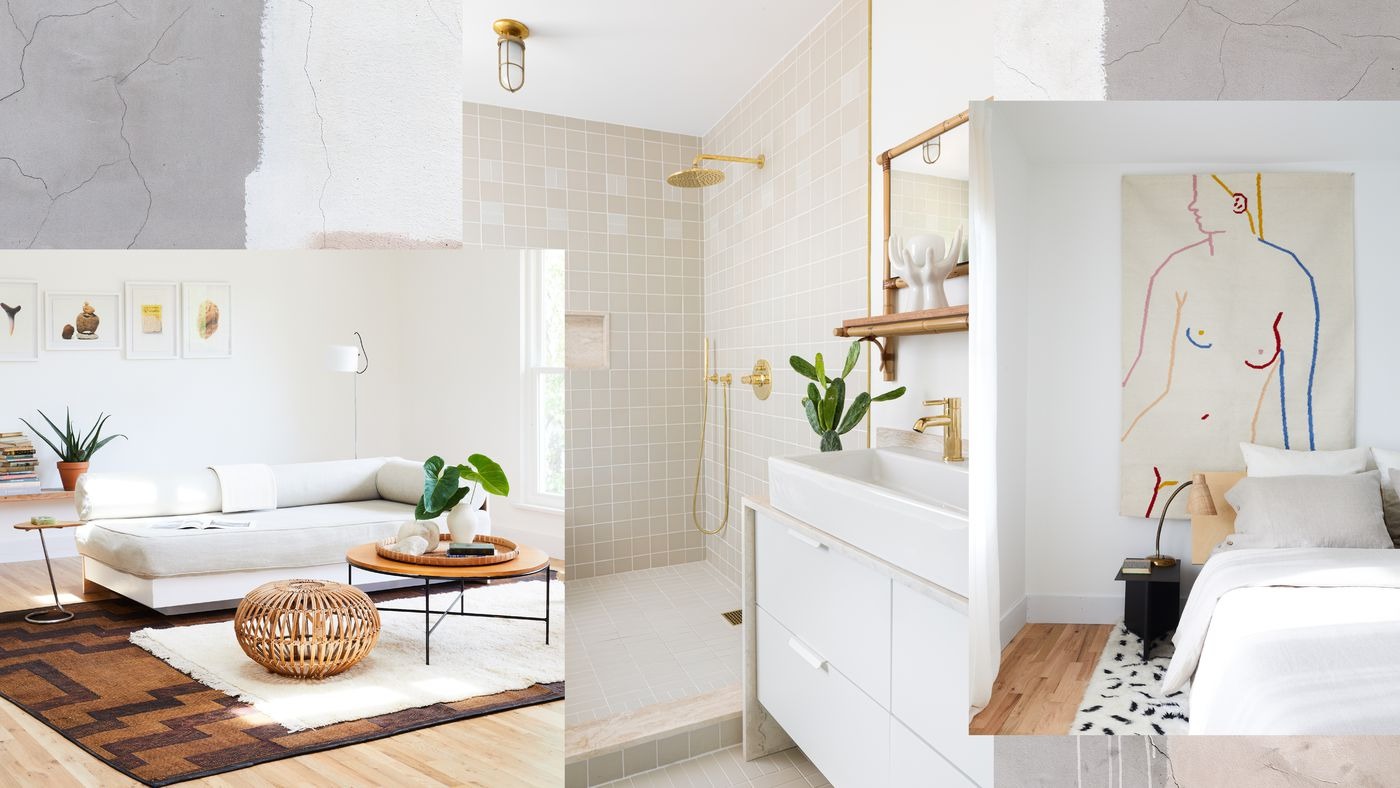
Minimalist spaces usually rely on soft, neutral colors like whites, beiges, grays, and gentle earth tones.
Why neutral colors work:
- They create a soothing atmosphere
- Make rooms feel brighter and more spacious
- Provide a timeless backdrop for your furniture and decor
If you want a pop of color, use it sparingly with cushions, art, or plants.
3. Choose Furniture with Clean Lines and Simple Shapes
Minimalist furniture is all about clean, sleek lines and simple shapes without extra fuss.
Look for:
- Pieces with smooth surfaces and minimal ornamentation
- Multipurpose furniture like storage ottomans or beds with drawers
- Quality over quantity — invest in a few timeless, durable pieces
This kind of furniture keeps your space open and airy.
4. Use Storage Solutions to Hide Clutter
One key to maintaining a minimalist look is keeping clutter out of sight. Good storage helps keep your surfaces clear and your space tidy.
Try:
- Closed cabinets or drawers instead of open shelves
- Stylish baskets or boxes to organize smaller items
- Built-in storage options when possible to save space
The less you see, the calmer your space feels.
5. Add Texture for Warmth and Interest
Minimalist doesn’t mean cold or sterile. Texture brings warmth and depth to simple spaces.
Ideas for adding texture:
- Soft wool or cotton throws and cushions
- Natural fiber rugs like jute or sisal
- Wooden furniture with visible grain or natural finishes
These details keep your space cozy without cluttering it.
6. Let Natural Light Shine In
Good lighting is essential in minimalist design. Natural light makes rooms feel fresh and inviting.
Tips to maximize natural light:
- Use sheer curtains or none at all to let sunlight in
- Place mirrors opposite windows to reflect light around the room
- Keep windows clean and unobstructed
A bright, airy space naturally feels more peaceful.
7. Be Selective with Decor and Art
Minimalism favors a “less is more” mindset when it comes to decoration.
To keep it simple:
- Choose one or two statement art pieces rather than many small ones
- Display a few meaningful objects instead of lots of knick-knacks
- Opt for large plants instead of multiple small ones for impact
Each piece should add value and not just take up space.
8. Incorporate Greenery to Bring Life and Calm
Plants are perfect for minimalist homes because they add color and vitality without clutter.
Best minimalist-friendly plants:
- Snake plant or ZZ plant (easy care, sculptural shape)
- Monstera or fiddle leaf fig for statement greenery
- Small succulents or cacti for tabletops
Choose simple, modern pots in neutral colors to keep the look cohesive.
9. Create Open, Uncluttered Surfaces
Clear surfaces immediately make your home feel cleaner and more organized.
Try:
- Keeping coffee tables, counters, and desks mostly free of stuff
- Only displaying essentials or one decorative item at a time
- Using trays or bowls to corral everyday items like keys or remotes
Open surfaces give your eyes a place to rest and reduce visual noise.
10. Practice Mindful Purchasing Habits
Minimalism is about intentional choices, not just less stuff.
Before buying something new, ask yourself:
- Do I really need this?
- Does it fit my style and existing decor?
- Will it last a long time?
Focusing on quality and purpose over impulse helps keep your home clutter-free and stylish.
Conclusion
Minimalist home decor is more than just a style—it’s a way to create a space that feels calm, clear, and comfortable. By decluttering, choosing neutral colors, investing in quality furniture, and keeping things simple, you can design a home that refreshes your mind and welcomes you every day.
Remember, minimalism isn’t about perfection or empty rooms. It’s about surrounding yourself with what truly matters and creating a peaceful retreat from the chaos of everyday life. Start small, stay intentional, and enjoy the beautiful calm that minimalism brings to your home.