Zero-Waste Decor Ideas for the Eco-Conscious Homeowner
Living sustainably is more than just a trend—it’s a lifestyle choice that many homeowners are embracing.
Living sustainably is more than just a trend—it’s a lifestyle choice that many homeowners are embracing. One powerful way to live greener is by adopting zero-waste decor principles in your home. Zero-waste decorating means creating a beautiful space while producing little to no trash and reducing your impact on the planet.
If you’re passionate about protecting the environment but don’t want to sacrifice style, zero-waste decor is a fantastic option. It encourages creativity, resourcefulness, and mindful choices that turn your home into a sustainable sanctuary.
In this blog, we’ll dive into practical, stylish zero-waste decor ideas that make it easy and enjoyable to decorate your home with the planet in mind.
1. Repurpose and Upcycle What You Already Have
Before buying anything new, take a fresh look at what’s already in your home. Zero-waste decor starts with making the most of what you have.
Try:
- Giving old furniture a fresh coat of eco-friendly paint
- Turning glass jars into candle holders or vases
- Using scraps of fabric for cushion covers or wall art
Upcycling not only reduces waste but also adds personal charm and unique character to your space.
2. Shop Secondhand and Vintage
Buying secondhand is one of the easiest zero-waste decorating strategies. It keeps items out of landfills and reduces demand for new production.
Where to find gems:
- Thrift stores and flea markets
- Online marketplaces like Facebook Marketplace or Craigslist
- Estate sales and garage sales
Mixing vintage with modern pieces creates a curated look that’s both stylish and sustainable.
3. Choose Natural, Biodegradable Materials
Zero-waste decor focuses on materials that break down naturally at the end of their life cycle.
Go for:
- Wood, bamboo, cork, or rattan furniture and accents
- Organic cotton, hemp, or linen textiles
- Natural fiber rugs made of jute, sisal, or wool
These materials reduce landfill waste and add warmth and texture to your home.
4. DIY Your Own Decor
Crafting your own decor pieces is not only fun but also eliminates packaging waste and reduces your carbon footprint.
Simple projects include:
- Making macrame plant hangers from recycled cotton rope
- Creating wall art from reclaimed wood or fabric scraps
- Sewing reusable fabric napkins or cushion covers
DIY projects let you customize your home with a personal and sustainable touch.
5. Use Multi-Functional Furniture and Decor
Items that serve more than one purpose cut down on the number of things you need, reducing clutter and waste.
Examples:
- Storage ottomans that double as seating
- Coffee tables with built-in shelves or drawers
- Foldable chairs or expandable dining tables
Multi-functional pieces maximize space and minimize excess.
6. Choose Reusable and Refillable Decor Items
Avoid disposable decor like single-use candles in plastic containers or synthetic floral arrangements.
Instead:
- Use beeswax or soy candles in glass jars you can refill
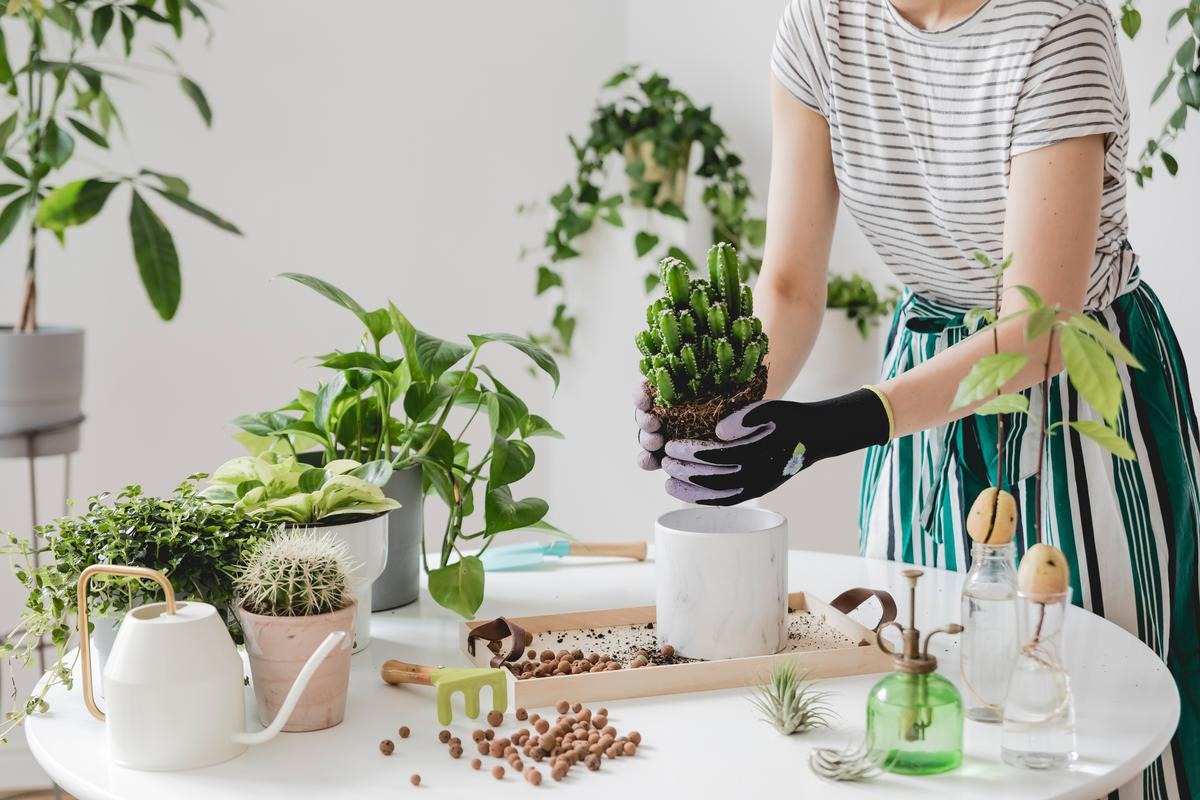
- Decorate with real plants or dried flowers instead of plastic ones
- Choose decor that can be refreshed or repurposed over time
This approach helps prevent unnecessary waste from entering the landfill.
7. Support Local Artisans and Makers
Buying from local craftsmen reduces shipping emissions and supports the community, plus handmade items often use sustainable materials and methods.
Look for:
- Handwoven baskets, pottery, or textiles
- Upcycled furniture made by local woodworkers
- One-of-a-kind decor pieces crafted with care
Local art adds unique style while honoring zero-waste values.
8. Avoid Fast Decor Trends
Fast decor is cheap, trendy, and often made with low-quality materials that break quickly and end up as waste.
Instead:
- Choose timeless pieces that you love and will keep for years
- Focus on quality over quantity
- Invest in classic styles and natural materials
This reduces the cycle of constant buying and throwing away.
9. Practice Minimalism with Purpose
Less is more when it comes to zero-waste decor. By keeping only what’s essential and beautiful, you create a cleaner, calmer home with less waste.
Tips:
- Edit your collection regularly and donate what you don’t need
- Choose statement pieces rather than many small items
- Let your space breathe with open surfaces and simple layouts
Minimalism helps you appreciate what you have and reduces waste.
10. Compost Organic Decor Waste
Some decor items—like dried flowers, plants, and natural materials—can be composted at the end of their life instead of tossed in the trash.
Make a compost bin for:
- Dead plant trimmings
- Natural fiber scraps
- Food waste from your kitchen
Composting closes the loop, turning waste into nourishment for your garden.
Conclusion
Zero-waste decorating is about thoughtful choices, creativity, and valuing quality over quantity. By repurposing, choosing natural materials, supporting local artisans, and embracing minimalism, you can make your home beautiful and sustainable.
Every little step you take toward zero waste makes a difference. Not only will you create a unique, stylish space, but you’ll also contribute to a healthier planet for future generations.
Ready to start your zero-waste decorating journey? Your home—and the Earth—will thank you.